Critical Infrastructure Under Siege: Lessons from Major Ransomware Attacks
A factual analysis of major ransomware attacks on critical infrastructure, including Colonial Pipeline, the Irish Health Service, and JBS Foods, and what organizations can learn from them.
When Ransomware Threatens Public Safety
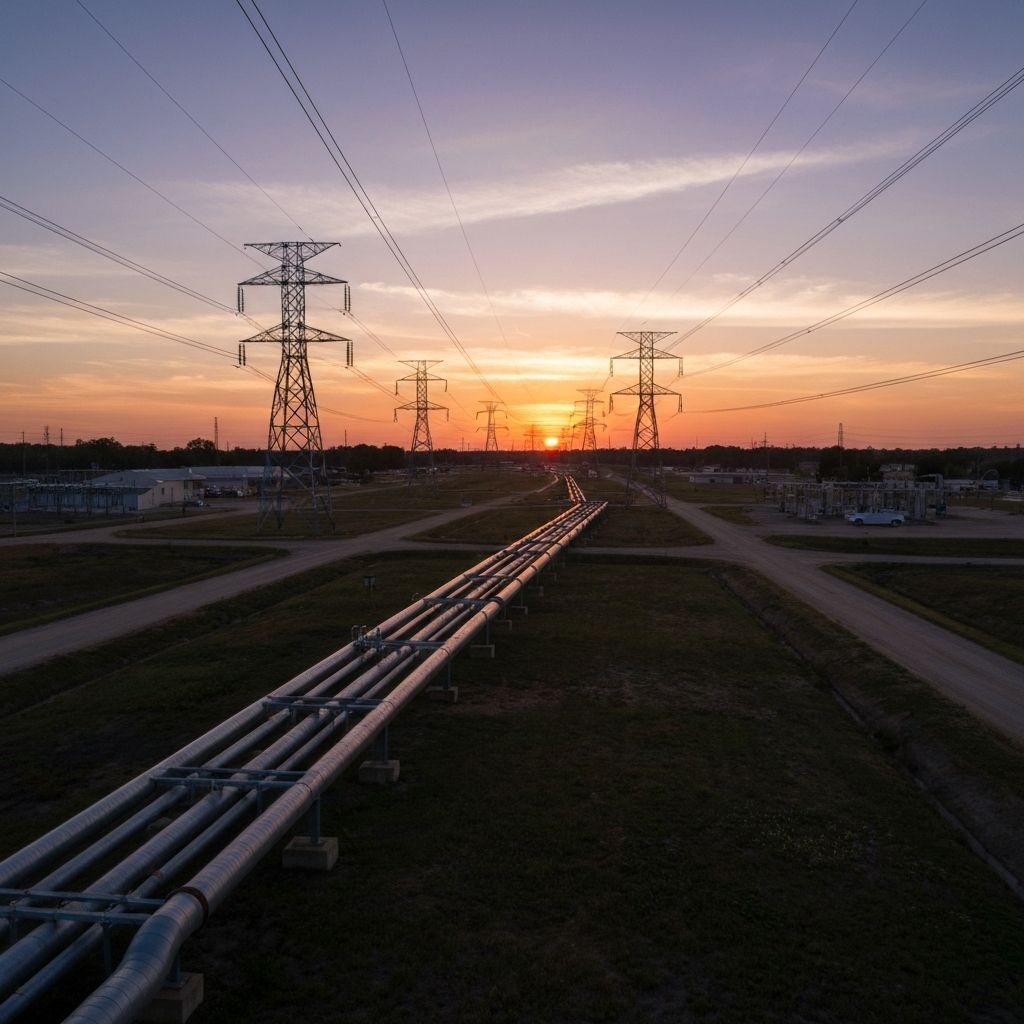
Ransomware attacks on critical infrastructure represent some of the most consequential cybersecurity incidents in recent history. Unlike attacks on individual companies, these incidents can disrupt essential services that millions of people depend on daily. This article examines several landmark incidents and the lessons they offer.
Colonial Pipeline (May 2021)
On May 7, 2021, Colonial Pipeline, which operates the largest fuel pipeline in the United States, was hit by a ransomware attack attributed to the DarkSide group. The company proactively shut down pipeline operations to prevent the malware from spreading to operational technology systems.
Impact: The shutdown caused fuel shortages across the southeastern United States, panic buying at gas stations, and a spike in fuel prices. The pipeline was offline for six days.
Key Facts: Colonial Pipeline paid a ransom of approximately $4.4 million in Bitcoin. The FBI later recovered approximately $2.3 million of the payment by seizing the Bitcoin wallet used by DarkSide.
Lessons: The incident highlighted the vulnerability of critical infrastructure to cyber attacks and the cascading effects that a single compromise can have on public services. It also demonstrated that even when ransom is paid, law enforcement may be able to recover funds.
Irish Health Service Executive (May 2021)
On May 14, 2021, Ireland's Health Service Executive (HSE) was struck by the Conti ransomware group. The attack encrypted systems across the entire national health service.
Impact: The HSE was forced to shut down all IT systems, disrupting hospital operations, diagnostic services, and patient records. Cancer treatments were postponed, radiology services were severely limited, and emergency departments across the country were affected. Full recovery took over four months.
Key Facts: The Irish government refused to pay the approximately 16.5 million euro ransom demand. Conti eventually provided a decryption key without payment, though recovery was still extremely slow and costly. The total cost of the incident exceeded 100 million euros.
Lessons: The HSE attack demonstrated that healthcare systems are particularly vulnerable due to their reliance on interconnected IT systems and the life-threatening consequences of service disruption. It also showed that even when a decryption key is provided, recovery can take months.
JBS Foods (May 2021)
JBS, the world's largest meat processing company, was attacked by the REvil ransomware group on May 30, 2021. The attack affected operations in the United States, Australia, and Canada.
Impact: JBS was forced to shut down operations at multiple meat processing plants, threatening the food supply chain. The company resumed operations within days after paying an $11 million ransom.
Key Facts: JBS stated that the payment was made to protect customers and reduce potential data loss. The decision to pay was widely debated, with critics arguing it would encourage further attacks on food supply chains.
Lessons: The incident revealed the fragility of global food supply chains and the difficult decisions organizations face when critical operations are disrupted.
Costa Rica Government (April 2022)
The Conti ransomware group launched a sustained attack against multiple Costa Rican government agencies, beginning in April 2022. The attack affected the Ministry of Finance, the Costa Rican Social Security Fund, and several other agencies.
Impact: The country declared a national emergency, the first time a nation had done so in response to a cyber attack. Tax collection systems were taken offline, foreign trade was disrupted, and government employees were unable to access pay systems.
Key Facts: Conti demanded $10 million, later increased to $20 million. Costa Rica refused to pay. The incident prompted the United States to offer a $10 million reward for information leading to the identification of Conti leadership.
Lessons: This attack demonstrated that ransomware can threaten national sovereignty and governmental functions. It also showed that even nation-states can struggle to defend against well-organized ransomware groups.
Common Themes and Takeaways
Across all major critical infrastructure attacks, several consistent themes emerge:
- Legacy systems and insufficient network segmentation are the most common vulnerabilities exploited
- The time between initial compromise and ransomware deployment is often weeks or months, providing a window for detection
- Organizations with tested incident response plans and resilient backup strategies recover faster and with less damage
- Paying the ransom does not guarantee a swift or complete recovery
- International cooperation between law enforcement agencies is essential but still developing
Conclusion
These incidents make clear that ransomware is not merely an IT problem but a threat to public safety, national security, and economic stability. The lessons from these attacks should inform cybersecurity strategy at every level, from individual organizations to national governments.
Disclaimer: This article is provided for educational and informational purposes only. It does not constitute professional cybersecurity advice. Organizations facing an active ransomware incident should contact qualified incident response professionals and relevant law enforcement agencies.